
La Zebra Tulum Guide
Tulum Ruins to Visit: The Best Mayan Archaeological Sites Near Tulum
Plan the best Tulum ruins day: Tulum Archaeological Zone, Coba, Muyil, Chichen Itza, what to bring, when to go, and how La Zebra can help.
Start here
Plan from the beach at La Zebra
Tulum is one of the rare beach destinations where ancient stone temples, jungle roads, turquoise water, and modern barefoot luxury sit close together. This guide helps travelers choose the right ruins experience for their time, energy, and travel style — from the cliffside Tulum Archaeological Zone to Coba, Muyil, and a full-day Chichen Itza adventure.
The best ruins to visit near Tulum are the Tulum Archaeological Zone for iconic coastal views, Coba for a deeper jungle ruins day, Muyil for a quieter nature-and-archaeology experience, and Chichen Itza for a full-day bucket-list excursion. Most travelers should start with Tulum ruins, then add Coba or Muyil if they have at least four nights.
Guide 02
Why Tulum is one of Mexico’s best places for ruins and beach in the same trip
The magic of Tulum is not only that it has ancient Maya ruins. It is that the most famous local site sits on a limestone bluff above the Caribbean Sea, making history feel immediate, salty, windy, and alive. For many travelers, the Tulum Archaeological Zone is the first time they see pre-Hispanic architecture in direct conversation with the sea. It is beautiful, but it is also practical: it can fit into a half-day plan, leaving time for lunch, beach rest, or wellness back at La Zebra.
The bigger story is that Tulum is a gateway. From the hotel zone you can reach coastal ruins, jungle ruins, lagoon-side ruins, and one of the most famous archaeological sites in the Americas. That variety is what makes a ruins-focused itinerary so rewarding. You do not need to choose only one kind of cultural day. You can match the site to the kind of traveler you are: short on time, traveling with children, interested in photography, looking for a quieter nature experience, or ready for a long, guided journey into the Yucatan.
Guide 03
1. Tulum Archaeological Zone: the iconic ruins above the Caribbean
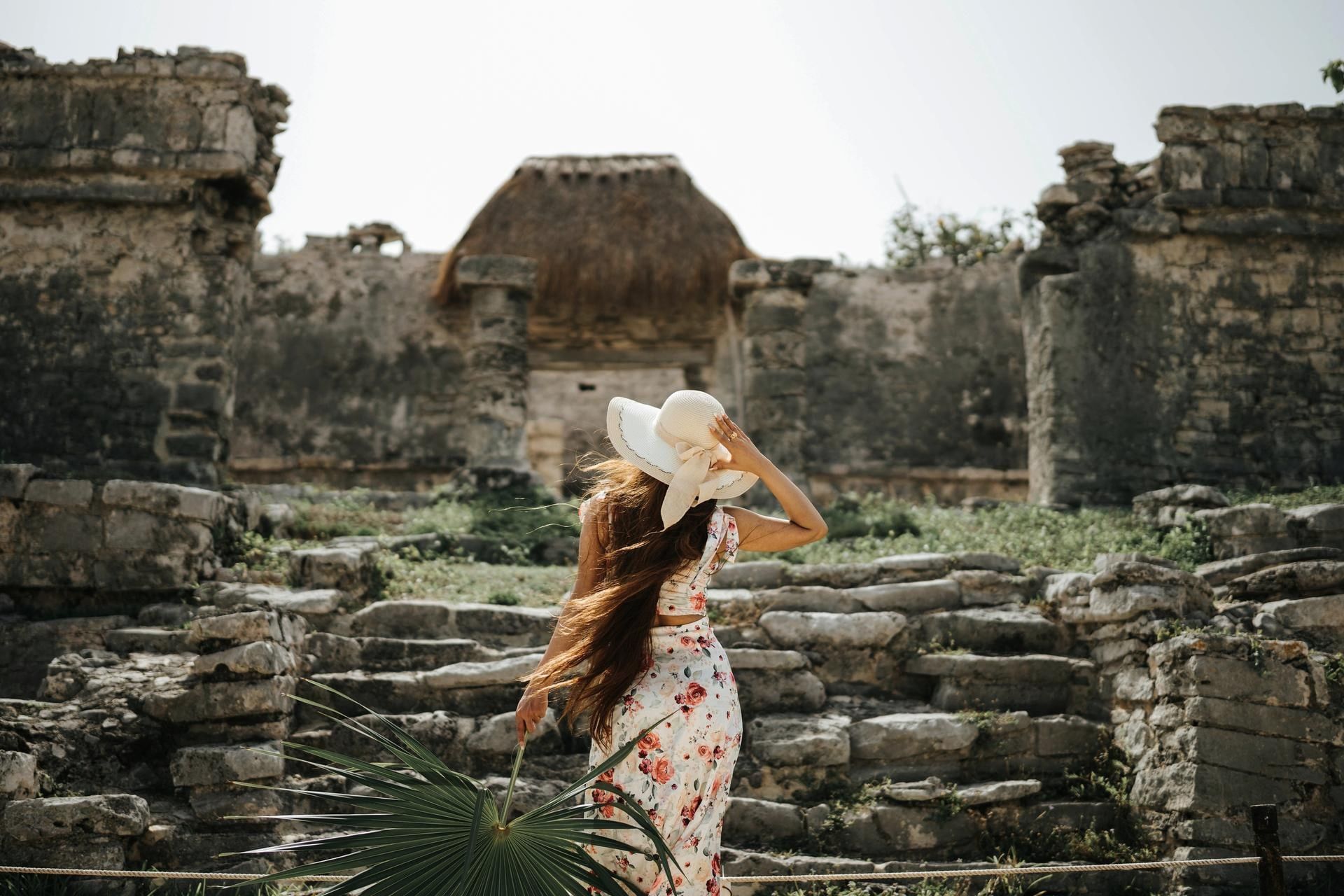
Start with the classic. The Tulum Archaeological Zone is the site most travelers picture when they hear “Tulum ruins”: stone walls, open lawns, temple silhouettes, and the Caribbean stretching behind El Castillo. It is one of the easiest cultural experiences to pair with a La Zebra stay because it does not require a full day on the road.
The best time to go is early. The site is exposed to sun, and the combination of heat, queues, and tour groups can make a late-morning visit feel more tiring than it needs to be. A smart plan is to leave after an early breakfast, arrive close to opening, explore with a guide or clear route in mind, then return to the beach for lunch and a swim. Bring a hat, mineral water, breathable clothing, and comfortable shoes. Do not plan this like a museum visit; plan it like an outdoor archaeological walk in tropical sun.
Travelers should also understand that the visitor experience around the Tulum ruins has evolved with the broader Parque del Jaguar / protected-area framework. Access points, fees, shuttles, walking routes, and beach access rules can shift, so check current details before publication and again before arrival. The core advice remains steady: go early, keep expectations flexible, and treat the area as both a cultural site and a protected natural landscape.
Guide 04
2. Coba: jungle ruins, sacbe roads, and the reopened Nohoch Mul experience
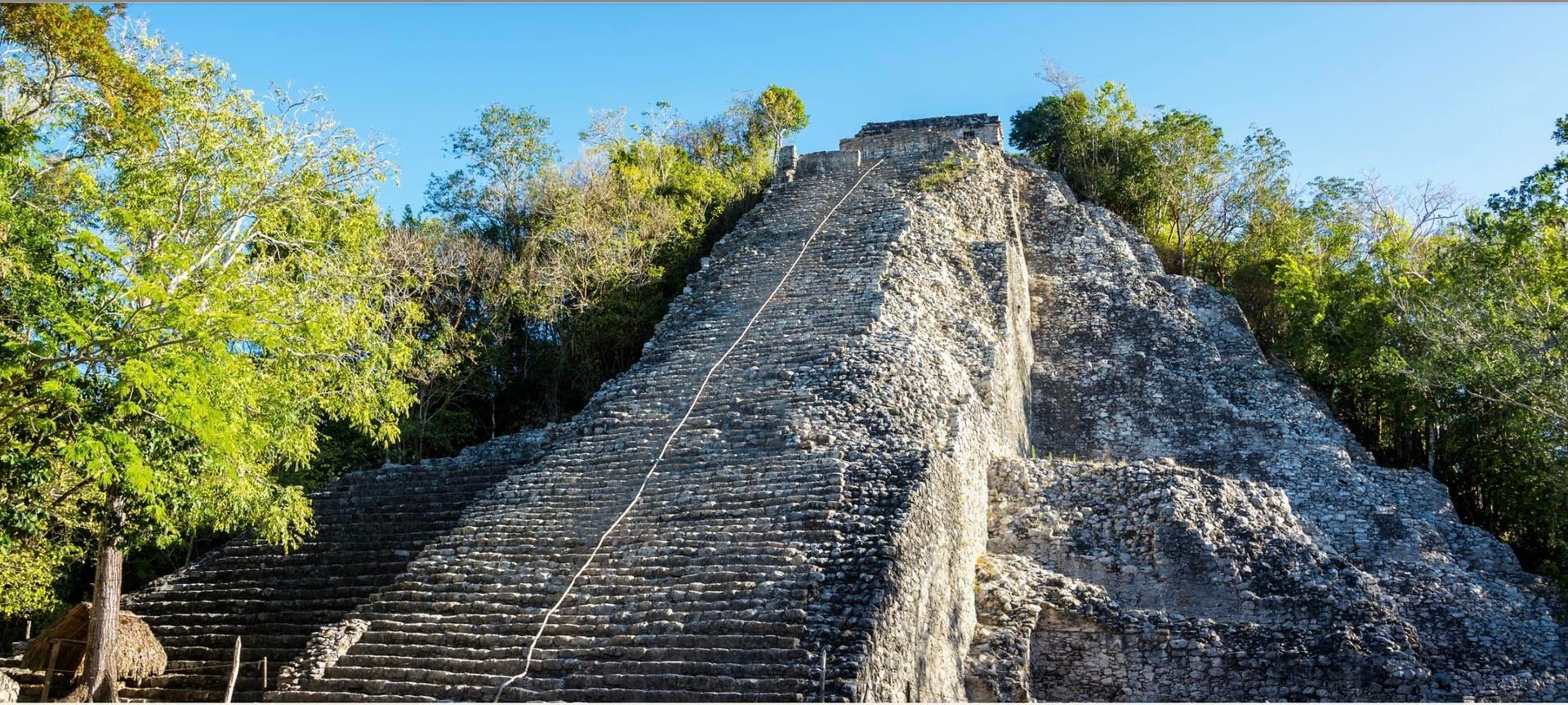
Coba feels different from Tulum. Instead of sea views and open lawns, Coba gives you trees, stone causeways, lakes, shade, and the feeling of a much larger city being slowly revealed through the jungle. It was one of the great Maya cities of the northern lowlands, connected by raised roads known as sacbes.
For travelers who want more than a quick photo stop, Coba is often the most satisfying ruins day near Tulum. It rewards curiosity. You move between groups of structures, learn how the city connected surrounding settlements, and begin to understand that Maya urban planning was regional, ceremonial, commercial, and strategic.
Coba has renewed travel interest because access to the Nohoch Mul pyramid experience has reopened under managed conditions, according to current INAH information. That makes the site especially timely, but it also makes responsible planning more important. Access, capacity, time limits, and rules can change. Do not frame the climb as guaranteed in perpetuity. Frame it as a currently available, regulated opportunity that travelers should confirm before going.
Guide 05
3. Muyil: quiet archaeology at the edge of Sian Ka’an
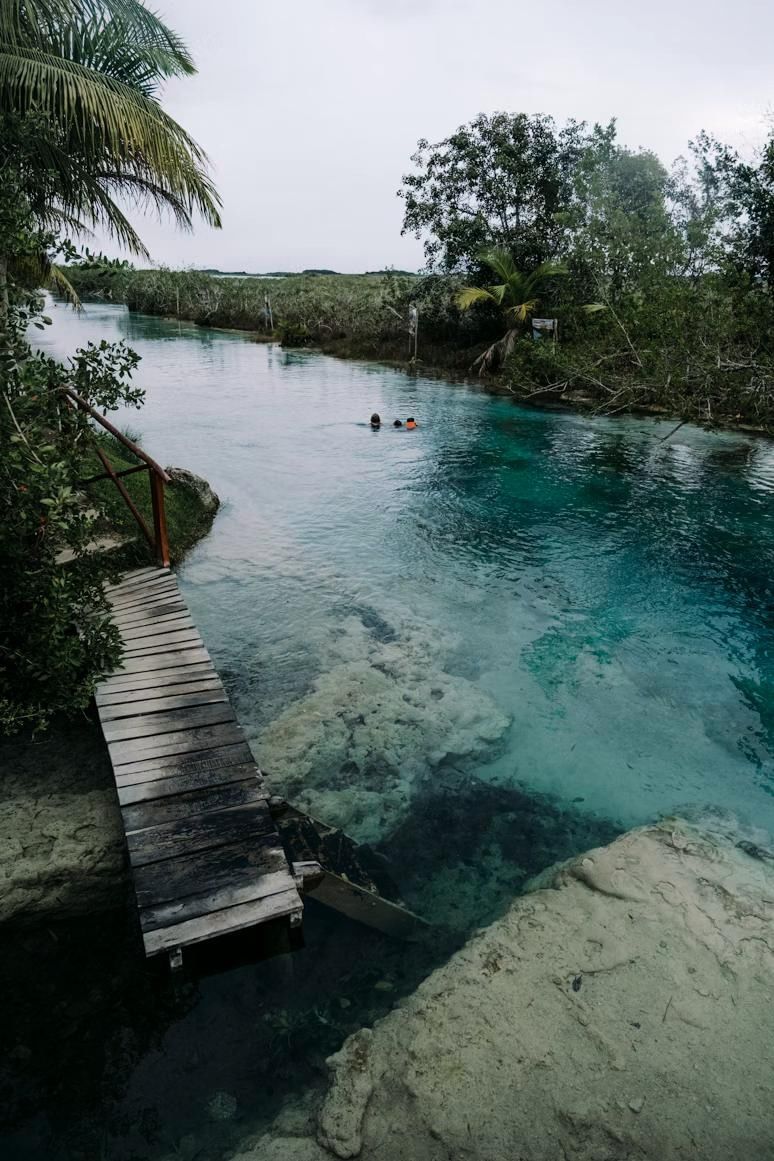
Muyil is ideal for travelers who want ruins, water, jungle, and silence in one day. The archaeological site is smaller and less crowded than Tulum or Coba, but it has a powerful sense of place. It sits near the lagoons and wetlands connected to the Sian Ka’an Biosphere Reserve, a UNESCO World Heritage landscape of mangroves, tropical forest, marshes, and marine ecosystems.
A Muyil day works especially well when paired with a canal float or guided nature experience. The appeal is not only the masonry; it is the transition from ancient trade routes to present-day conservation. Travelers see how the Maya world was connected to water, movement, and ecological knowledge.
For La Zebra guests, this is one of the most elegant ways to experience the quieter side of Tulum. It is less about checking off a famous landmark and more about letting the landscape slow you down.
Guide 06
4. Chichen Itza: the major full-day ruins trip from Tulum
Chichen Itza is not a casual morning outing from Tulum. It is a major cultural day, and it deserves to be treated that way. The drive is long, the site is large, and the experience is far more rewarding with a knowledgeable guide who can explain the architecture, astronomy, politics, and layered Maya-Toltec history behind the monuments.
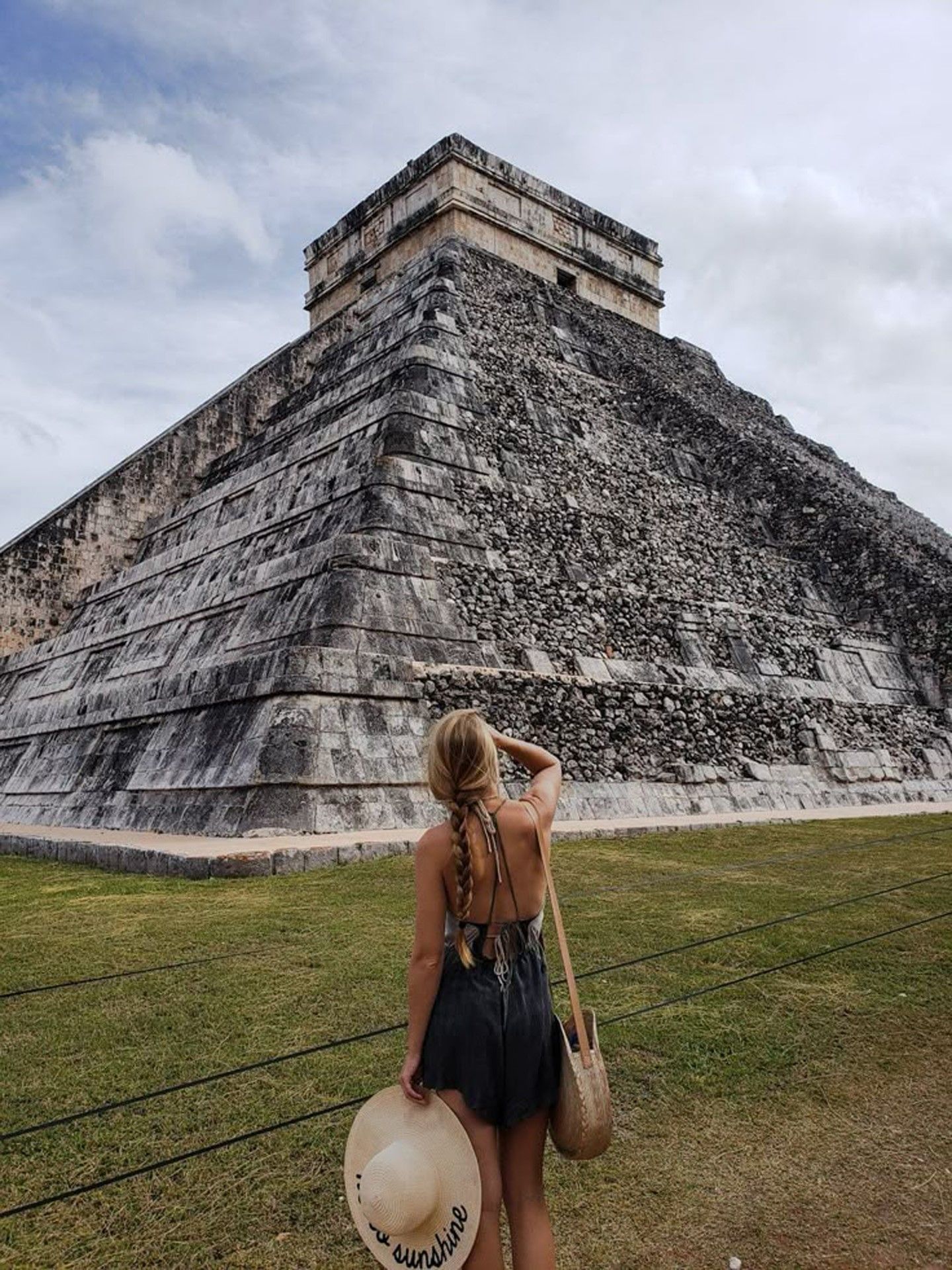
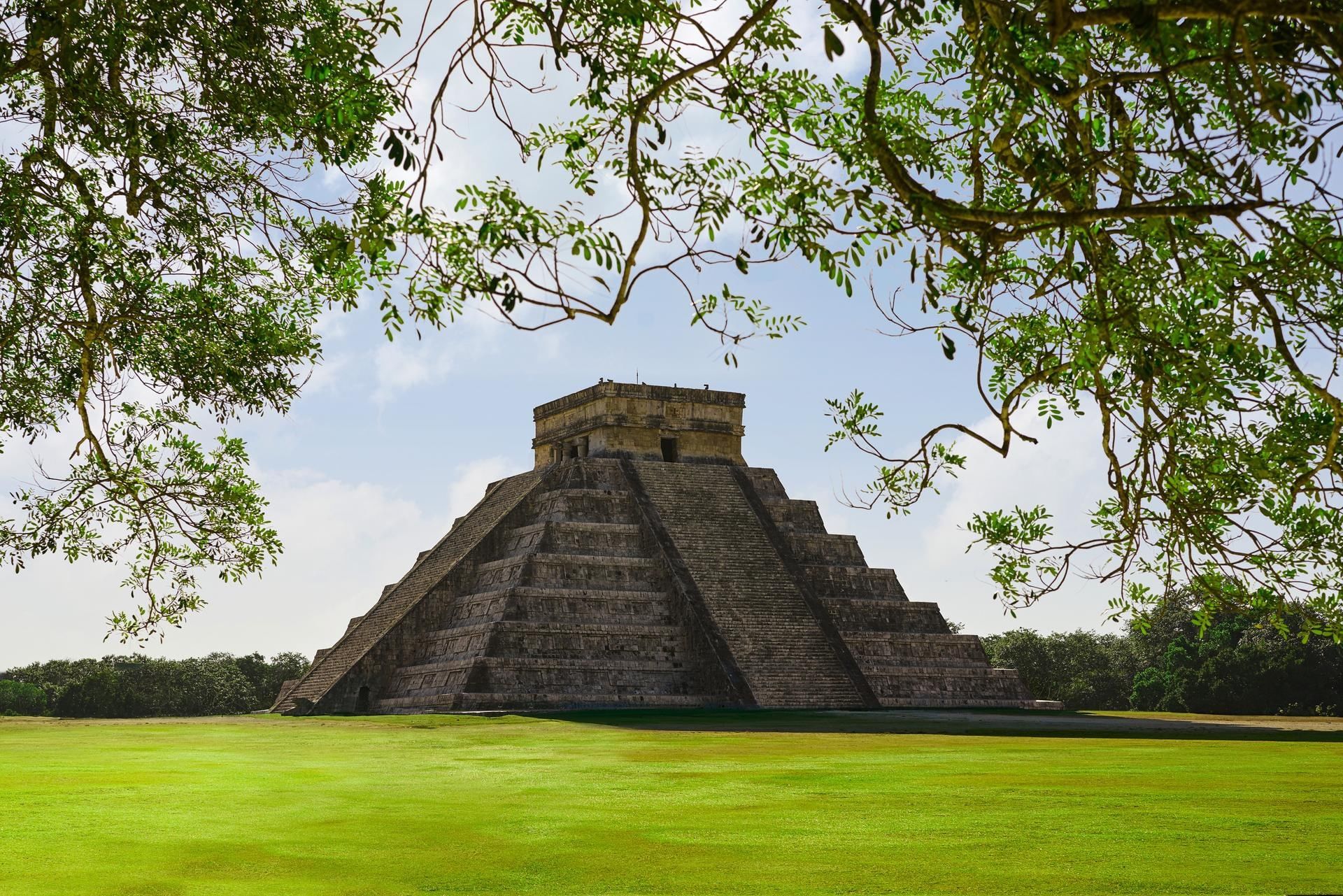
Travelers who make the journey are rewarded with one of Mexico’s most recognized archaeological landscapes, including the Pyramid of Kukulcan, ball court, observatory, sacred cenote, and ceremonial platforms. The mistake is trying to squeeze Chichen Itza into an already crowded itinerary. Give it a full day. Leave early. Bring patience. Consider adding Valladolid or a cenote stop if your guide recommends a well-paced route.
From an SEO and traveler-service standpoint, this article should position Chichen Itza as a premium guided excursion rather than a simple self-drive suggestion. Guests staying at La Zebra are often choosing ease, comfort, and quality; a curated Chichen Itza day aligns with that expectation.

Guide 07
How to choose the right ruins day for your trip style
If you have only three nights in Tulum, choose the Tulum ruins first. They are close, photogenic, and culturally important, and they do not eat an entire vacation day. If you have four or five nights, add Coba or Muyil. If you have a week or you are especially interested in Maya history, make room for Chichen Itza.
Families should prioritize shorter drives, shade, bathroom access, and snack planning. Couples may prefer Tulum ruins at opening followed by a beach lunch, or Muyil for a quieter nature-focused day. Active travelers may like Coba because it feels more expansive. History lovers should choose a guide whenever possible; the difference between seeing stones and understanding a city is enormous.
The best ruins itinerary is not the most ambitious one. It is the one that leaves you with enough energy to enjoy your evening back on the beach.
Guide 08
What to bring for a ruins day in Tulum
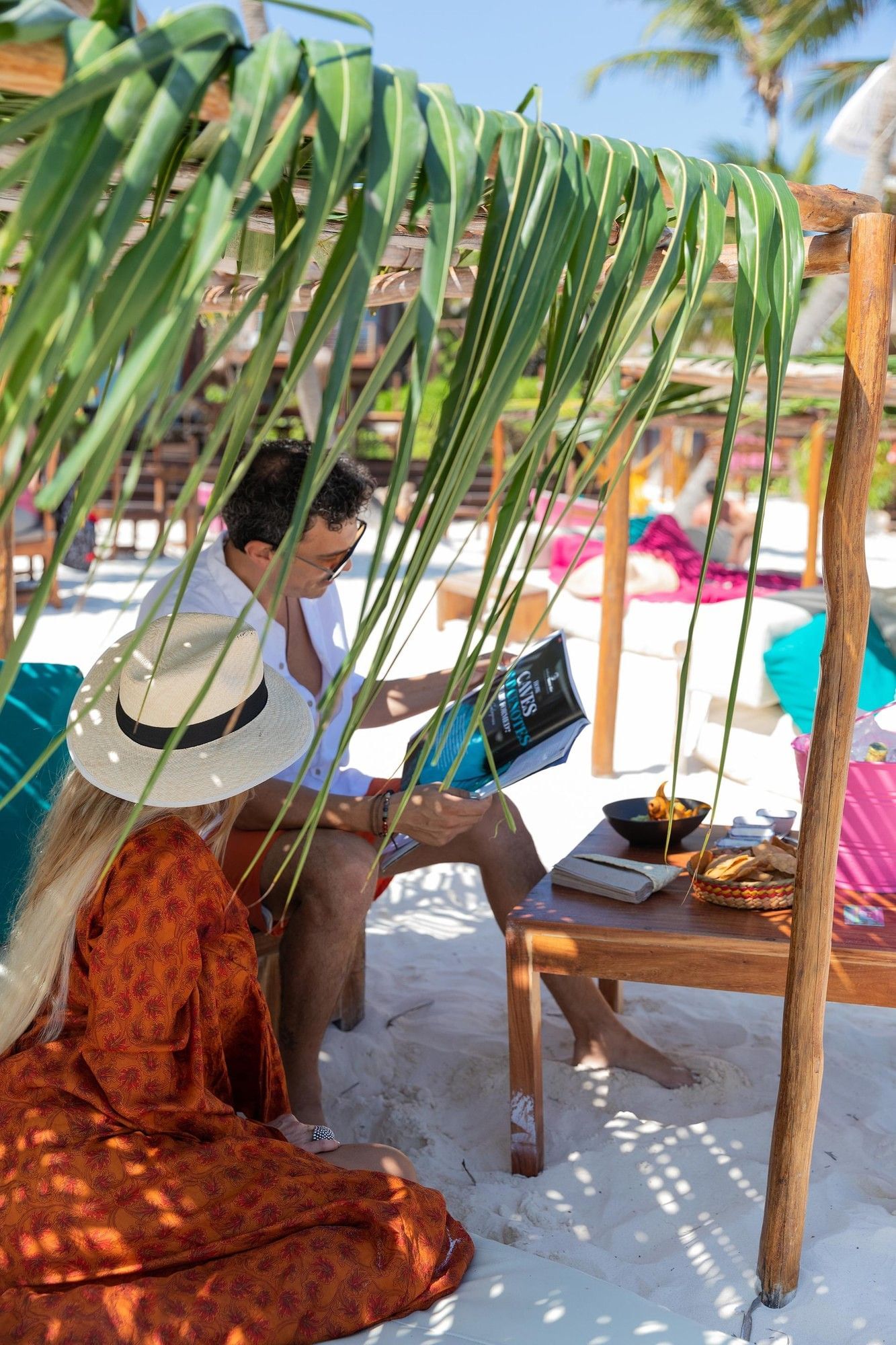
Pack like you are spending time outdoors, not like you are stepping into an air-conditioned attraction. Bring a refillable water bottle, pesos for incidental fees or tips, sun protection, a hat, breathable clothing, and shoes that can handle stone paths and uneven ground. A small towel or change of shirt is helpful if your day includes a cenote.
Avoid drones unless you have explicit authorization. Avoid climbing restricted structures. Do not touch carvings, remove stones, feed wildlife, or ignore posted rules. The best traveler mindset is simple: these places are not backdrops. They are living cultural heritage sites that deserve care.
Guests who prefer ease should ask the La Zebra concierge about guided tours, recommended start times, transportation, and how to pair ruins with lunch, cenotes, or nature stops.
Guide 09
The best La Zebra-based ruins itineraries
For a half-day, plan Tulum ruins at opening, return for a late breakfast or early lunch at La Zebra, then keep the afternoon open for beach time. For a balanced full day, combine Coba with a cenote and a relaxed dinner on return. For a nature-and-culture day, choose Muyil, the canal, and a slow evening. For a once-in-a-lifetime cultural day, commit to Chichen Itza with an early departure and no major plans that night.
This is where La Zebra’s location and concierge support matter. Tulum is easy to romanticize and easy to over-plan. A smart hotel base helps travelers avoid wasted time, uncertain transport, and too many back-to-back activities. The goal is not to see every stone structure in one trip. The goal is to feel the depth of the destination and still enjoy the beach vacation you came for.
La Zebra concierge
Plan it with La Zebra
Want the cultural depth without the logistics? Ask the La Zebra concierge about the Tulum & Coba Experience, Muyil Canal, or Chichen Itza day trip. The team can help align start time, transportation, guide style, and pacing with the way you actually want to travel.
Guide 11
Expert planning notes for ruins days
The biggest difference between an average ruins day and an excellent one is pacing. Archaeological sites in the Tulum region are beautiful, but they are also exposed, hot, and easier to appreciate when you arrive with context. Travelers often make the mistake of treating ruins as a quick photo stop. A better approach is to choose the right site for the day you actually want.
For a light cultural morning, choose the Tulum Archaeological Zone. It is close enough to pair with lunch and beach time, and it gives the most immediate visual payoff. For a deeper but still manageable day, choose Coba and add a cenote. For nature-minded travelers, choose Muyil and the canal experience. For travelers who have always wanted to see Chichen Itza, commit to the longer drive and keep the evening simple.
A private guide is especially valuable when traveling with children, older adults, or guests who do not already know Maya history. The guide can adjust the pace, point out shaded areas, explain the role of trade routes and ceremonial spaces, and help the group understand why these sites matter. Without a guide, bring a short reading plan or audio notes so the visit does not become a walk through unnamed stones.
Pack like the site is outdoors, not like it is a museum: closed or supportive shoes, a hat, water, breathable clothing, sun protection, and cash. Avoid heavy beach bags. Do not plan a fancy dinner immediately after a long ruins day unless your group has time to shower and rest. The cultural experience should add meaning to the vacation, not drain it.
For La Zebra guests, the strongest ruins strategy is usually this: start early, see the site before the harshest heat, return to the beach for recovery, and let dinner be close, easy, and celebratory.
Tulum guide hub
Keep planning with La Zebra's Tulum guides
FAQ
Frequently asked questions
Which Tulum ruins should I visit first?
Visit the Tulum Archaeological Zone first if you have limited time. It is the closest, most iconic, and easiest ruins experience to pair with a beach stay.
Is Coba worth visiting from Tulum?
Yes. Coba is one of the most rewarding day trips from Tulum for travelers who want jungle atmosphere, ancient roads, and a larger archaeological landscape.
Can you climb the pyramid at Coba?
Current INAH information shows managed access to Nohoch Mul with rules and capacity controls. Travelers should confirm the current status before visiting because archaeological access can change.
Is Chichen Itza too far from Tulum?
It is a long day, but it is worthwhile for travelers who want a major cultural experience. Book a guide and avoid planning a packed evening afterward.
Should I book a ruins tour or go alone?
A guide is strongly recommended for Coba, Muyil, and Chichen Itza. Tulum ruins can be visited independently, but a guide adds context and helps the site feel more meaningful.
What should I wear to the Tulum ruins?
Wear breathable clothing, comfortable walking shoes, a hat, and sun protection. The site is exposed, and midday heat can feel intense.
Can I combine ruins and cenotes in one day?
Yes. Coba plus a cenote is one of the best combinations. Tulum ruins can also be paired with beach time or lunch rather than a full adventure day.
Are the Tulum ruins good for kids?
Yes, if you go early, keep the visit concise, bring water, and avoid the hottest hours. Coba can also work for families that enjoy walking and nature.
Your Tulum base
Make La Zebra your beachfront home base.
Stay close to the beach, dining, wellness, tours, and the easy rhythm that makes Tulum worth slowing down for.