
La Zebra Tulum Guide
Tulum Food Guide: What to Eat, Where to Dine, and How to Plan Every Meal
Explore the ultimate Tulum food guide: breakfast, ceviche, tacos, seafood, regional Mexican dishes, cocktails, wellness cafés, and beachfront dining at La Zebra.
Start here
Plan from the beach at La Zebra
Food in Tulum is a story of coast, jungle, Maya heritage, Mexican tradition, global creativity, and the easy pleasure of eating outside. This guide is written for travelers who want more than a list of restaurant names; it explains what to order, when to eat, and how to turn meals into part of the trip.
A strong Tulum food plan includes Mexican coastal breakfasts, ceviche or seafood tacos by the beach, at least one regional Yucatan-inspired meal, one cocktail or mezcal sunset, one casual town taco stop if logistics allow, and one destination dinner for a special night. La Zebra Restaurant and Lula’s Kitchen give hotel guests a strong beachfront dining base.
Guide 02
The flavors that define Tulum
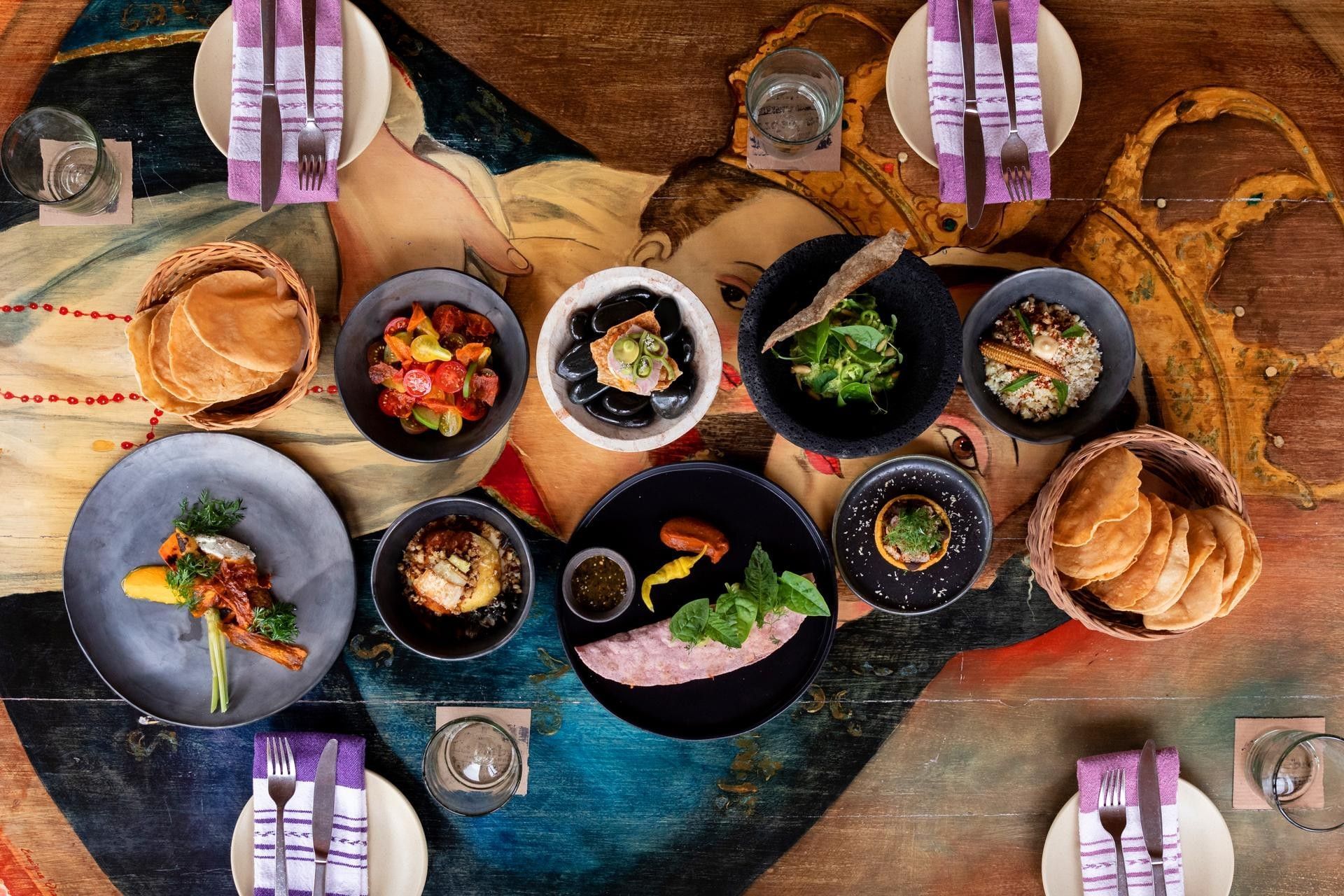
Tulum’s food identity is layered. At the beach, you feel the Caribbean: ceviches, grilled fish, shrimp tacos, tropical fruit, lime, chile, and cold drinks. In town and across the Yucatan, you find deeper regional flavors: achiote, citrus, corn, beans, habanero, cochinita pibil, sopa de lima, sikil pak, and slow-cooked meats. At the destination restaurants, chefs blend these foundations with wood fire, fermentation, foraged ingredients, contemporary plating, and international influences.
The best way to eat in Tulum is to follow the day. Breakfast should be fresh and energizing. Lunch should be beach-friendly. Dinner can be more ambitious. Cocktails should be timed around sunset, not squeezed into a rushed schedule. And at least once, you should eat with your feet close to the sand because that is part of why Tulum exists in the imagination.
La Zebra’s dining program fits this rhythm well: Mexican coastal cuisine, vibrant breakfasts, ceviches, tacos, grilled seafood, cocktails, and gathering-oriented meals that feel connected to the beach.
Guide 03
Breakfast in Tulum: start slow, especially before tours
Breakfast is one of the most important meals in Tulum because it sets the tone for heat, walking, swimming, and transportation. Before a ruins day, choose something nourishing rather than heavy. Before a beach day, linger longer. Before a cenote or boat excursion, hydrate well and avoid overcomplicating the morning.
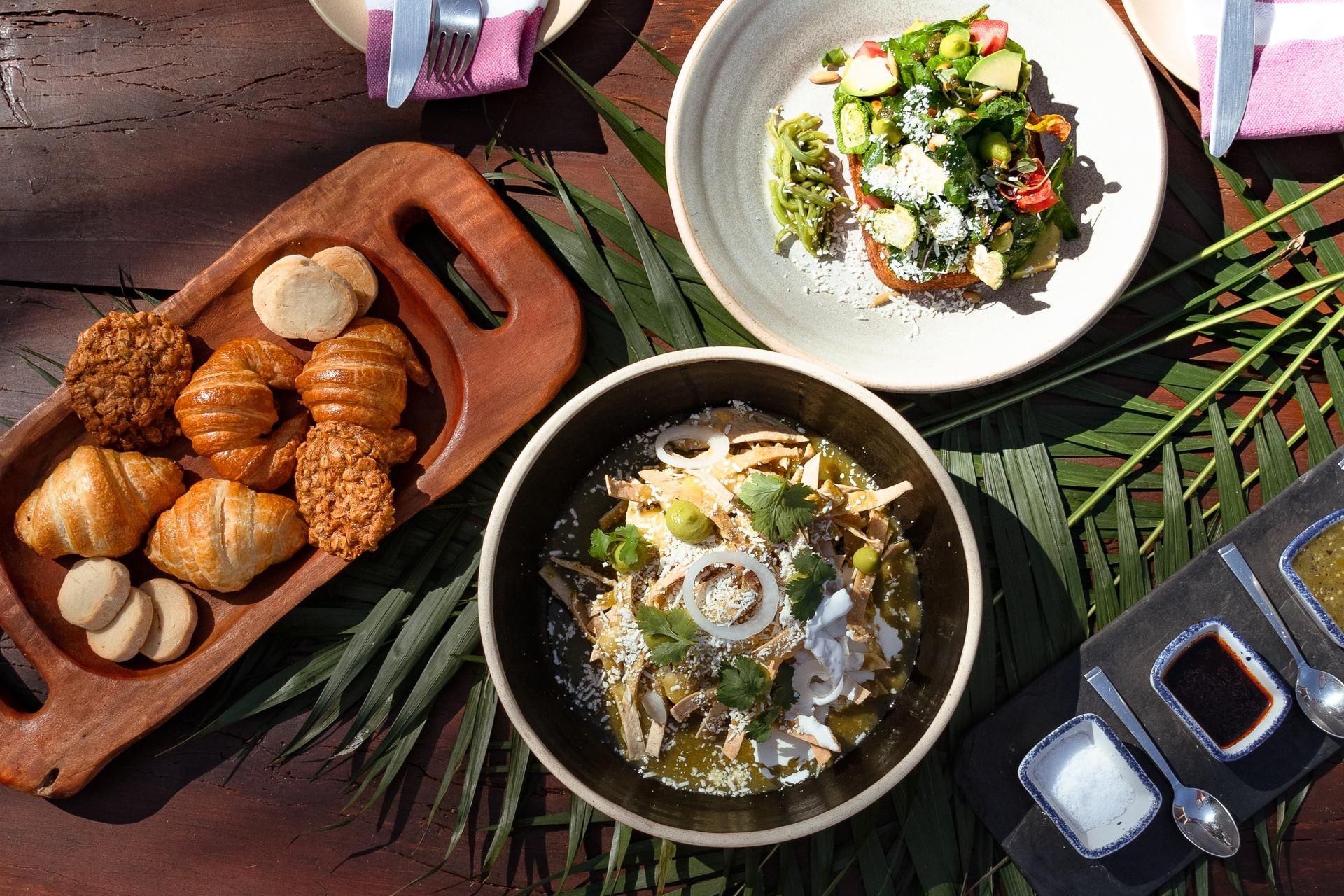
Look for chilaquiles, eggs with salsa, fresh fruit, yogurt, pastries, Mexican coffee, juices, smoothies, and breakfast tacos. La Zebra is especially useful because breakfast can be beautiful without requiring any logistics. You can eat, apply sunscreen, pack a beach bag, and be ready for the day without crossing town.
Food-lover tip: plan your earliest tour day after a simple breakfast and save the long brunch for a day when you are not trying to beat the heat.
Guide 04
Ceviche, aguachile, and seafood by the Caribbean
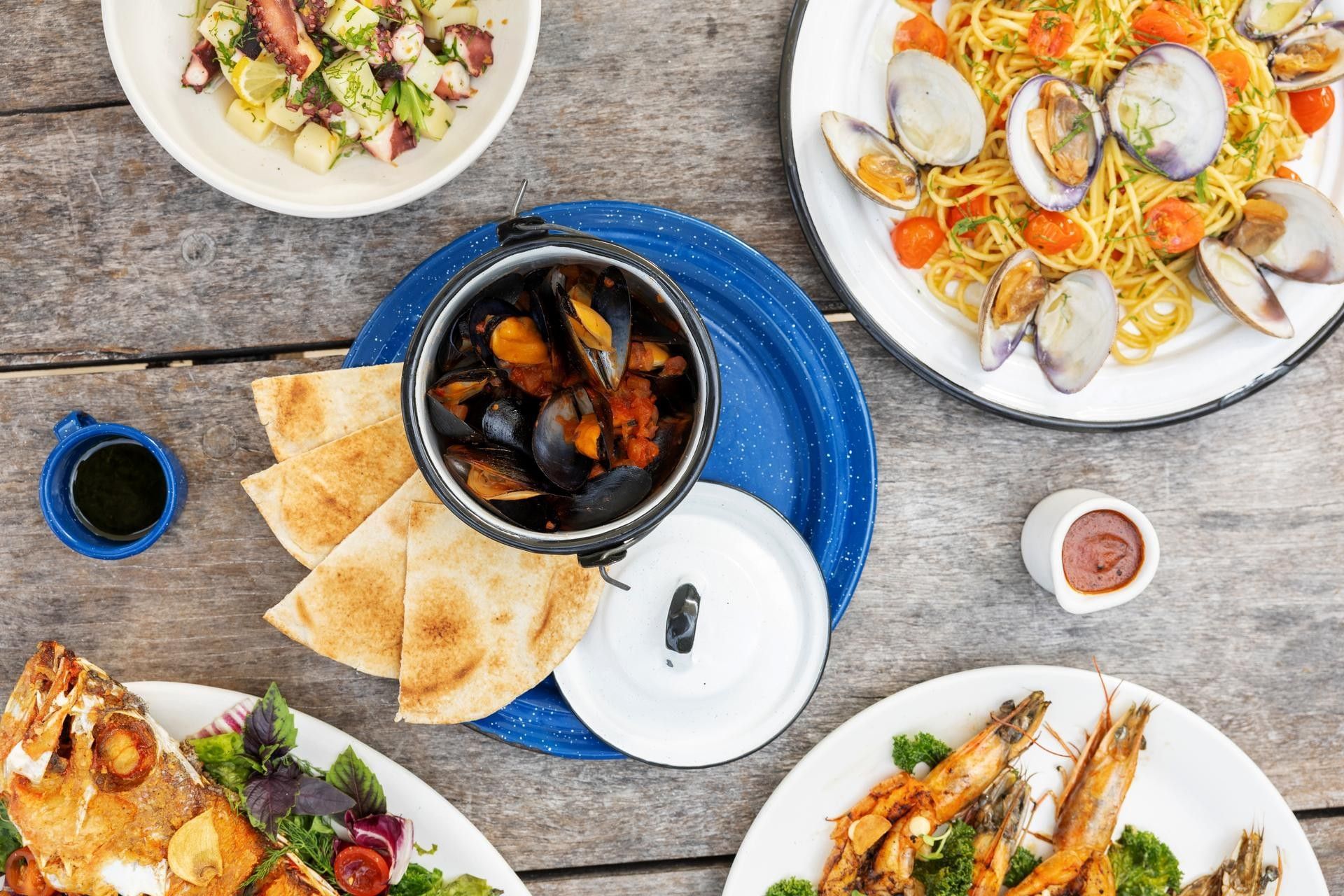
If there is one category you should prioritize in Tulum, it is seafood. Ceviche, aguachile, grilled fish, shrimp, octopus, and seafood tacos all make sense in a place defined by salt air and warm afternoons. The best versions feel bright rather than heavy: lime, herbs, chile, fresh fish, crisp vegetables, and enough acidity to wake you up.
Order seafood at places that feel busy, fresh, and confident. At La Zebra, coastal Mexican cuisine makes seafood an easy choice for lunch or dinner. Pair ceviche with a cold drink, share tacos, and keep the meal light enough that the afternoon still belongs to the beach.
Traveler tip: if you have a sensitive stomach, choose reputable restaurants, avoid overly warm buffet-style seafood, and hydrate more than you think you need to.
Guide 05
Tacos, tostadas, and casual Mexican comfort
Tacos are not a single food category in Tulum; they are a map of moods. You may find fish tacos by the beach, al pastor or carne asada in town, cochinita pibil on regional menus, shrimp tacos at lunch, and vegetarian tacos built around mushrooms, beans, or seasonal vegetables. Tostadas bring crunch and freshness, especially when topped with seafood.
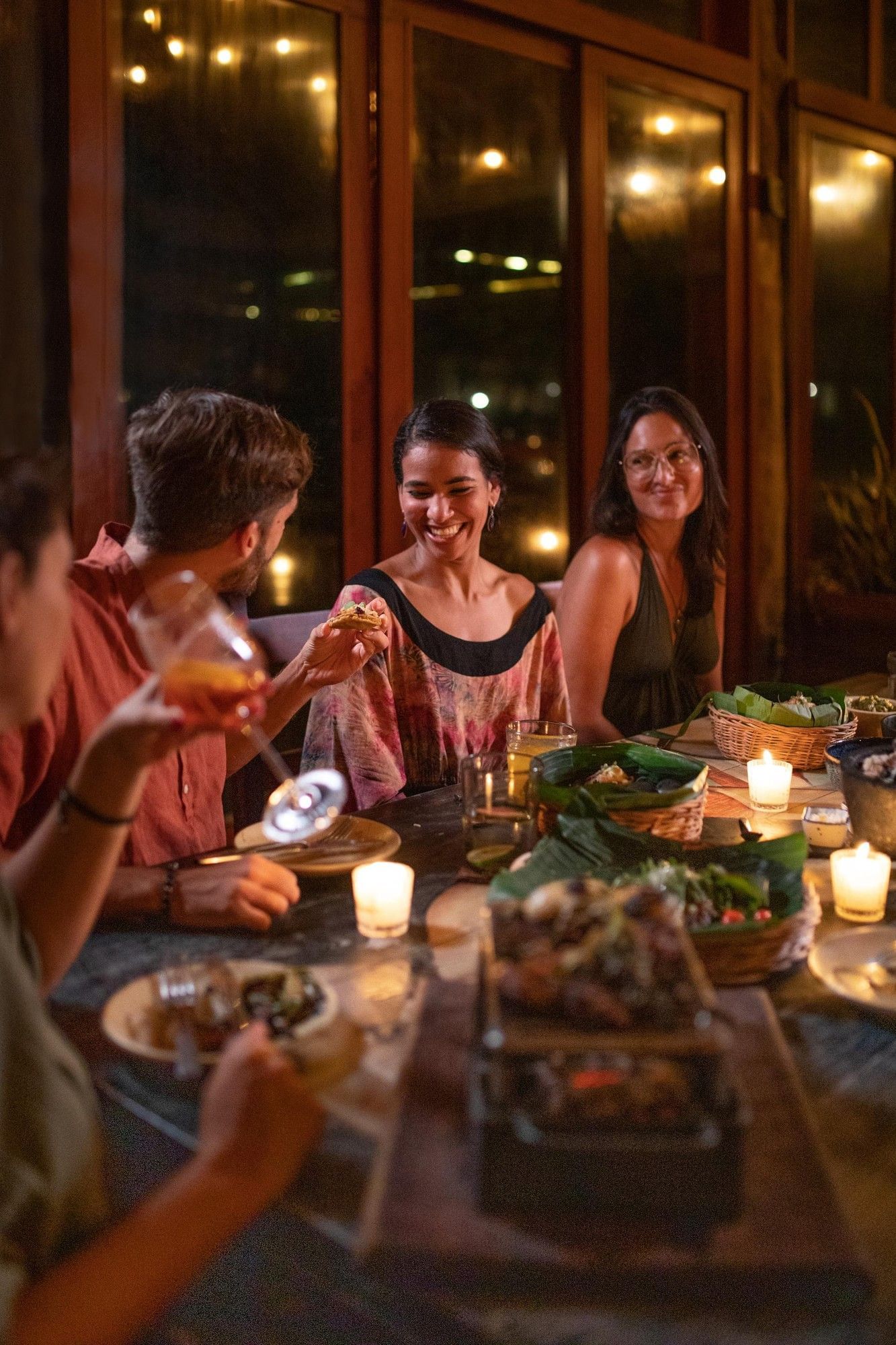
For travelers staying on the beach road, the best taco strategy is to mix convenience and curiosity. Eat tacos at La Zebra when you want the beach setting, then consider a town taco stop when you are already inland for errands, shopping, or returning from an excursion. Do not cross town simply because an online list says you must unless the meal is important to you.
Order more than one style and share. Tulum is better when the table looks generous.
Guide 06
Regional dishes worth looking for
The Tulum area sits within a broader Yucatan and Quintana Roo culinary landscape. Look for cochinita pibil, recados, habanero salsa, sopa de lima, panuchos, salbutes, sikil pak, papadzules, and dishes using achiote and sour orange. Even when restaurants interpret these ideas in modern ways, the flavors help connect the meal to place.
A good food guide should encourage travelers not only to chase famous restaurants, but to taste the region. Ask servers what is local, what is seasonal, and what the kitchen is proud of. If you are unsure about spice, ask before adding habanero salsa; it can be beautiful and intense.
Best strategy: choose one refined dinner, one regional casual meal, and one beach seafood meal. Together, they will tell a fuller story than three similar upscale dinners.

Guide 07
Wellness-friendly eating: smoothies, fresh bowls, and lighter days
Tulum’s wellness culture has shaped its food scene. Smoothies, juices, fruit bowls, vegan dishes, gluten-free options, herbal drinks, and vegetable-forward menus are easy to find compared with many beach destinations. This can be a gift on longer trips because not every meal needs to be indulgent.
The trick is balance. A wellness breakfast, beach tacos, a ceviche lunch, and a special dinner can all belong in the same trip. At Lula Wellness and La Zebra, food and wellness can sit side by side rather than competing. After yoga, a sound journey, or a spa ritual, choose a meal that keeps the body feeling light and hydrated.
Traveler tip: save richer meals for evenings when you do not need to wake up at dawn for an excursion.

Guide 08
Cocktails, mezcal, mocktails, and beach drinks
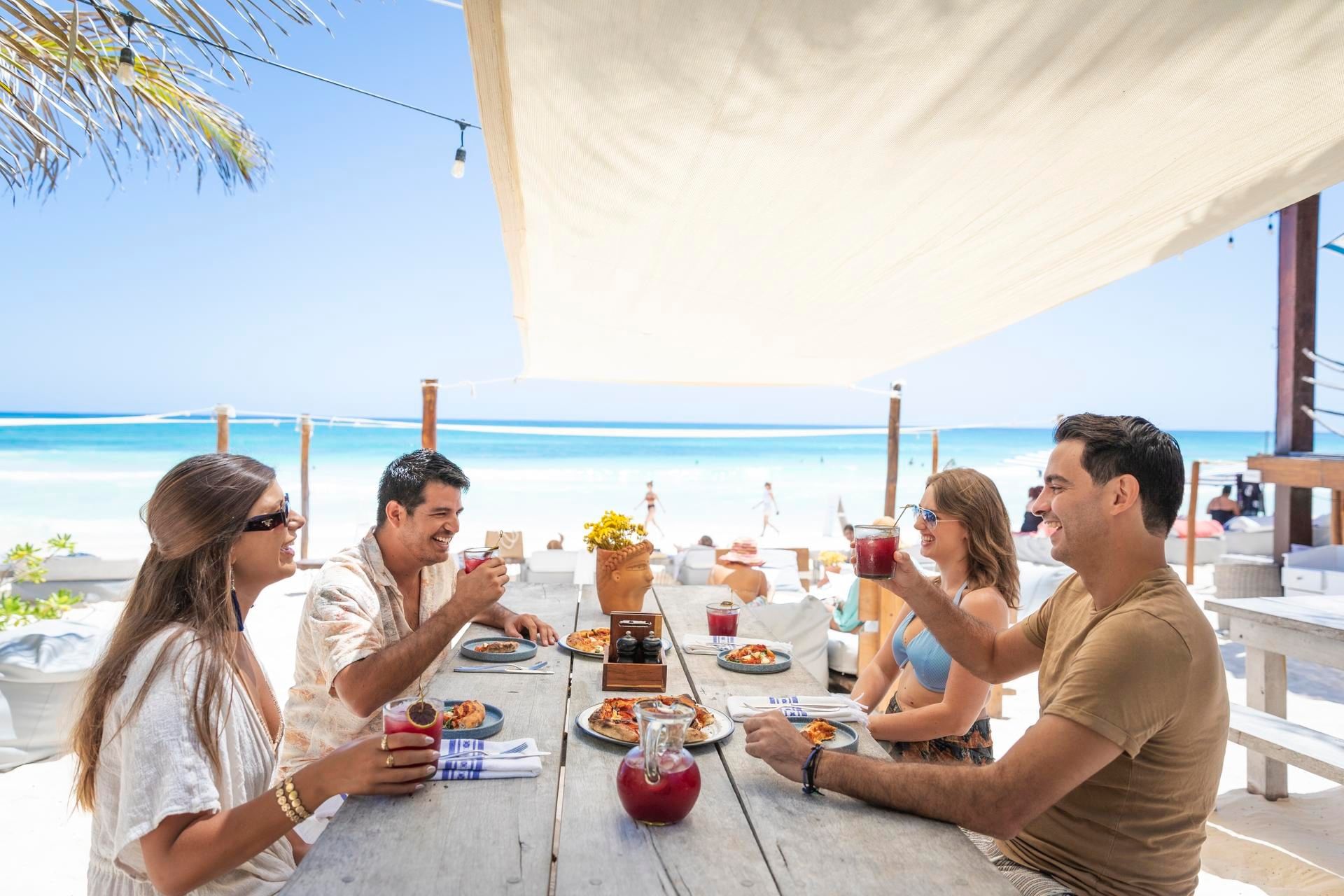
Tulum’s cocktail culture ranges from beach-bar margaritas to mezcal-forward menus, tropical spritzes, fresh juices with spirits, and sophisticated jungle-bar programs. The best drink is often the one that fits the setting: a margarita with lunch, a mezcal cocktail after sunset, a mocktail after a wellness treatment, or a cold beer after a long drive.
Drink slowly in Tulum. Heat, sun, swimming, and late nights can catch up quickly. Alternate water, eat while drinking, and arrange transport before leaving for a bar or restaurant. For guests staying at La Zebra, the easiest cocktail hour is the one that does not require a taxi: beach bar, sunset, dinner, and a walk back to the room.
Best for: sunset, groups, date nights, and low-pressure evenings close to the beach.

Guide 09
A simple three-day Tulum eating plan
Day one should be easy: arrive, settle in, have a beachfront dinner at La Zebra, and do not force a big night after travel. Day two can be your food-adventure day: breakfast before ruins, a casual lunch or ceviche, then a special dinner reservation. Day three can be slower: beach breakfast, tacos or seafood at lunch, sunset cocktails, and a flexible dinner based on energy.
For five nights, add one town meal, one Lula’s Kitchen dinner, one destination fine-dining reservation, one beach-club lunch, and one no-plan night. This gives enough structure to eat well without turning every hour into an obligation.
The best Tulum food trip has contrast: beach and jungle, refined and casual, Mexican and global, planned and spontaneous.
La Zebra concierge
Plan it with La Zebra
Use La Zebra as your culinary anchor: breakfast by the sea, tacos and ceviches after a swim, cocktails at sunset, and concierge help when you want a destination dinner beyond the hotel.
Guide 11
Expert planning notes for eating well without overplanning
Tulum’s food scene rewards curiosity, but it also rewards restraint. The best meals often happen when the day has enough space around them. A rushed lunch after a late start and before a crowded tour will not feel as memorable as a simple ceviche eaten slowly by the water. A famous dinner after a day of sun, traffic, and two cenotes may not land the way it should if everyone is exhausted.
Think in food rhythms. On excursion days, keep breakfast practical and dinner relaxed. On beach days, make lunch the hero. On wellness days, eat lighter earlier and reserve richer dishes for dinner. On nightlife days, build the evening around a real meal, not only cocktails. For families, choose restaurants where children can eat early and parents can still enjoy the setting. For couples, plan one meal where phones stay away and the night has room to unfold.
Travelers should also use Tulum as a chance to taste regional Mexico, not only global beach cuisine. Look for corn-based antojitos, citrus, habanero, achiote, seafood, cochinita-style preparations, fresh salsas, and local fruit. Ask servers what they recommend. The most meaningful dish may not be the one trending online; it may be the one that best expresses the kitchen’s relationship to the region.
Stay hydrated and be thoughtful with alcohol. Warm weather, sun, and salty beach days change how the body responds. Alternate water, eat before drinking, and avoid scheduling your most active tour the morning after a late dinner or bar night.
A strong Tulum food guide should leave travelers hungry, but also calmer: they should know what to prioritize, what to skip, and how to eat in a way that supports the whole trip.
Tulum guide hub
Keep planning with La Zebra's Tulum guides
FAQ
Frequently asked questions
What food is Tulum known for?
Tulum is known for seafood, ceviche, tacos, regional Yucatan flavors, beach dining, wellness cafés, cocktails, and destination restaurants built around fire, local produce, and Mexican ingredients.
What should I order first in Tulum?
Start with ceviche or fish tacos for lunch, then try regional dishes such as cochinita pibil, sikil pak, sopa de lima, or dishes with achiote and habanero.
Is Tulum good for vegetarians or vegans?
Yes. Tulum has many wellness-influenced cafés and restaurants with vegetarian, vegan, gluten-free, and vegetable-forward options.
Where should I eat on my first night in Tulum?
Eat close to your hotel. At La Zebra, a beachfront dinner is a smart first-night choice because it feels special without adding travel fatigue.
What is the best meal for a beach day?
Choose fresh seafood, tacos, ceviche, fruit, and plenty of water. Avoid overly heavy lunches before swimming or long sun exposure.
Should I eat in Tulum town or on the beach road?
Do both if you have time. The beach road is atmospheric and convenient; town is often better for casual food, tacos, and value.
Is food expensive in Tulum?
It can be, especially on the beach road and at fine-dining restaurants. Balance your trip with casual meals, town stops, and hotel dining.
How many dinner reservations do I need?
For a three-night trip, one outside destination dinner plus one hotel dinner is enough. For five nights, book two special dinners and leave room for flexibility.
Your Tulum base
Make La Zebra your beachfront home base.
Stay close to the beach, dining, wellness, tours, and the easy rhythm that makes Tulum worth slowing down for.